Teaching Skills Input Session 13: Classroom Management (Teens)
The Teenage Brain
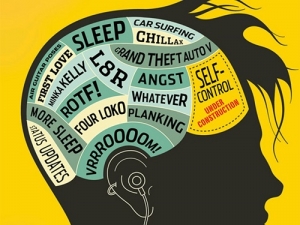
Recent research confirms that teenagers do indeed think differently to grown ups. Due to their stage of development, they…
- are more likely to take risks
- struggle to get enough sleep
- often misread emotions
- can find it hard to see another perspective
- easily give in to peer-pressure
- often lack self-control
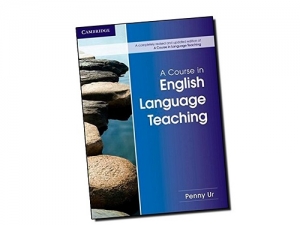
“(Teenagers) are still learning because they have to rather than because they want to, and may therefore be reluctant to invest effort. There is the added factor of adolescent-specific problems of identity, relationships, physical change and so on, which make it more difficult for them to concentrate. So adolescent classes may be more difficult to motivate, manage, and it takes longer to build up trusting relationships.”
Classroom Management Starts with Recognising the Positive

Be PROACTIVE Not Reactive
Class Rules
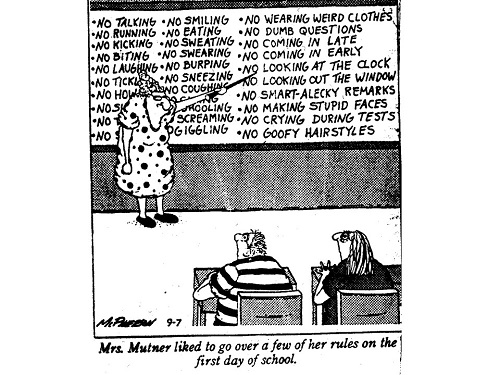
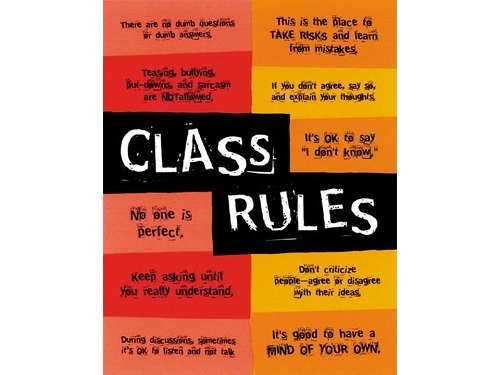
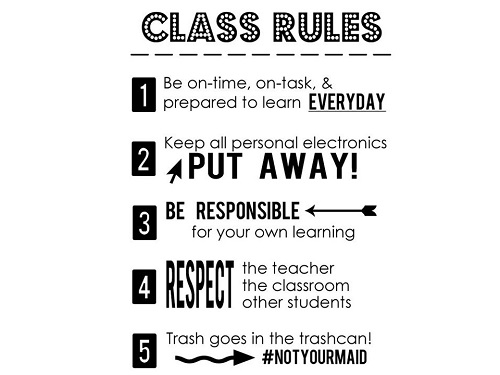
You can create your own class rules with each group.
If they have some say in the rules, they may be more likely to stick to them.
Work together on a class set of rules or a “class contract” for everyone to sign.
What does a well-managed classroom look like?
Which of the statements below do you think are true of a well-disciplined classroom?
Learning is taking place.
It is quiet.
The teacher is in control.
The teacher and students are cooperating smoothly.
Students are motivated.
The lesson is proceeding according to plan.
Teacher and students are aiming for the same objectives.
The teacher has a natural charismatic authority.
What can teachers do to create a well-managed classroom?
- Be firm with students.
- Get silence before you start speaking to the class.
- Know and use the students’ names.
- Prepare lessons thoroughly and structure them firmly.
- Be mobile: move around the room.
- Start the lesson with a ‘bang’ and sustain interest and curiosity.
- Speak clearly.
- Make sure your instructions are clear.
- Have extra material/alternatives prepared.
- Look at the class when speaking, and learn how to scan the room.
- Make work appropriate (to age, ability, cultural background, etc.)
- Develop an effective questioning technique.
- Develop the art of timing your lesson to fit the available period.
- Vary your teaching techniques.
- Anticipate discipline problems and act quickly.
- Avoid confrontations.
- Clarify fixed rules and standards, and be consistent in applying them.
- Show yourself as supporter and helper to the students.
- Don’t patronise students; treat them with respect.
- Use humour constructively.
- Choose topics and tasks that will motivate students.
-Penny Ur
Penny Ur
Classroom Management (Teens): Task 1
Which of these do you already do?
Which others do you think would have the greatest impact on your clases?
Choose three you’d like to focus on improving.
Classroom Management (Teens): Task 2
How might you deal with the following classroom management issues in a class of teens?
What works for teens?
- Challenges
- Clear objectives
- Competitions & games
- Established rules and routines
- Fun
- Humour
- Pace and variety
- Praise for effort (not just accuracy)
- Whatever interests them!
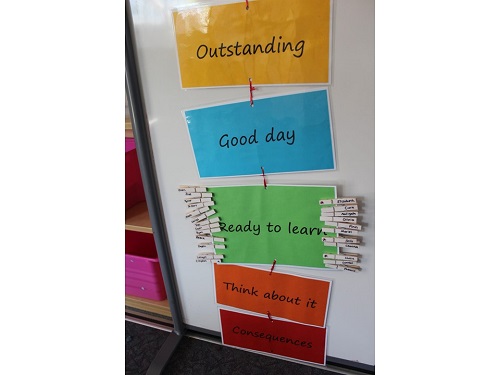
Classroom Management Skills