Teaching Skills Input Session 12: Classroom Management (Adults)
Classroom management is often considered to be a euphemism for classroom discipline—a nicer way of describing bad behaviour and teachers’ need to deal with students behaving inappropriately. However, good classroom management should be both proactive and positive (remember. prevention is better than cure)!

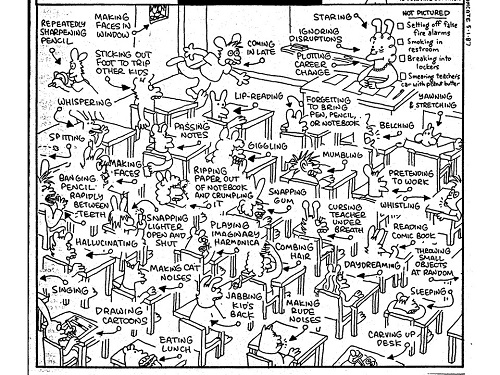
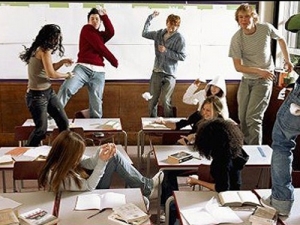
When you think of classroom management, discipline or bad behaviour, what do you imagine?… This?!


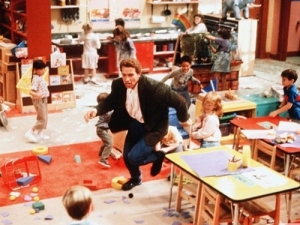
When you think of good classroom management or good behaviour, what do you imagine?… This?!
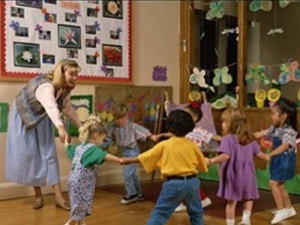
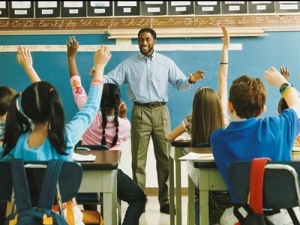

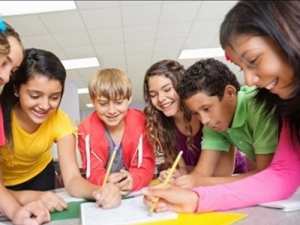
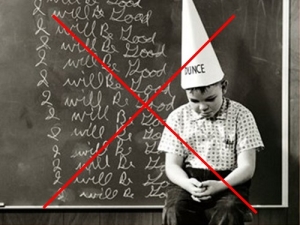
Definitely not this!
What is EFFECTIVE classroom management?
“…is a collection of gentle but powerful strategies designed to create an environment that is most conducive to learning and enjoying.
It’s about trust and influence.
It’s about relationships and leadership.
It’s about students behaving and giving their best because they want to, not because they’re forced to.”
– www.smartclassroommanagement.com
So, how do we create an environment that is most conducive to learning and enjoying?
1. The Classroom
2. The Teacher
3. The Learners
4. The Behaviour
1. The Classroom
Classroom Layout
Consider the possible effects of doing the following:
Rearranging the general layout of the classroom by moving desks/chairs around.
Setting up te room differently for a specific activity.
Seating Arrangements
Consider the possible effects of doing the following:
Asking the students to change seats (either randomly or specifically).
Teacher Position
Consider the possible effects of doing the following:
Standing up more (if you usually sit down) or sitting down occasionally (if you usually stand up)
Standing on the opposite side of the room.
Improving the Learning Environment
Consider the possible effects of doing the following:
Tidying up the classroom.
Putting up new posters, charts or students’ work.
2. The Teacher
Establishing & Maintaining Rapport
Consider the importance of the following:
Being welcoming, encouraging and approachable.
Treating each learner as an individual.
Showing interest in your students’ lives.
Empathising and trying to see things from their point of view.
Finding Your Teacher Voice
Consider the importance of the following:
Varying your volume.
Altering the tone of your voice.
Using Gesture and Facial Expressions
Consider the importance of the following:
The clarity and consistency of your gestures and expressions.
Considering how you use your hands and your eyebrows.
Making eye contact.
Gauging Your Language
Consider the importance of the following:
Grading your grammar/ lexis/ sounds/ stress/ sequencing of content/ speed of delivery/ discourse features/ complexity and/or quantity of message.
Sandwiching instructions or code-switching (at lower levels).
3. The Learners
Remembering & Using Students’ Names
How can we achieve the following?
Learn, remember and use the names of your students.
Helping the Group to Gel
How can we achieve the following?
Get to know each other.
Create a sense of community.
Brighten the mood.
Making the Classes More Learner-Centred
How can we achieve the following:
Encourage learner autonomy.
Create a more “democratic” classroom
.
4. The (Adult) Behaviour
Establishing Positive Attitudes and Behaviour
How can we deal with adults who …
… arrive late?
… use their phones in class?
… don’t do their homework?
… criticise others?
… repeatedly use Spanish after being asked to speak in English?
… use inappropriate language?
Conclusions
Just because they’re “adults”, doesn’t mean they’ll be easier to manage than kids or teens!
Adults bring their own difficulties and knowing how to handle adults tactfully can be tricky.
As with most aspects of teaching, the better you know your learners and the better the rapport, the easier it will be to avoid potential problems and, if necessary, deal with awkward/difficult moments.