
Teaching Skills Input Session 11: Monitoring & Feedback
Fedback and Correction: the same or different?
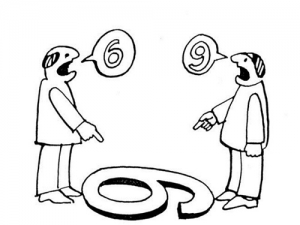
What is feedback?
After an activity …
- providing error correction
- checking/eliciting/confirming answers
- checking agreement/disagreement/interest
- asking for samples/examples produced
- acknowledging and evaluating contributions
- asking for clarification or comment
- praising success/effort

Giving feedback on written work

- How many mistakes do we correct?
- Do we comment on the content and/or the language?
- Do we make suggestions for improvement?
- What do we correct?
- How do we correct? – red pen, checklist, symbols, …?
- Do we have to give a mark/grade?
- Do we set them targets for future writing?
- Do we need to give positive reinforcement?
Monitoring and Feedback: Task 1
Look at the sample student’s work.
What feedback (not just error corrections) would you give the student?
Consider the points on the previous list.

What is Monitoring?

- Assessing progress
- Checking that the learners are ‘on task’
- Checking to see whether activities are going to plan
- Listening for errors
- Listening to the learners for their accuracy and fluency
How do you monitor your students during activities (especially speaking exercises)?
Could you use monitoring more effectively?

Delve Deeper
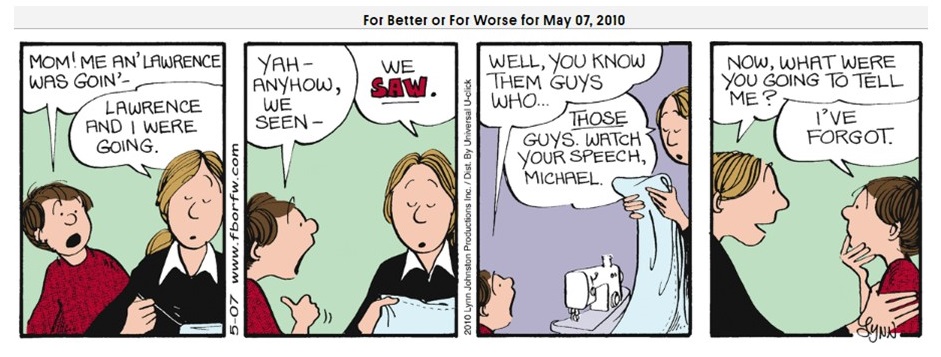
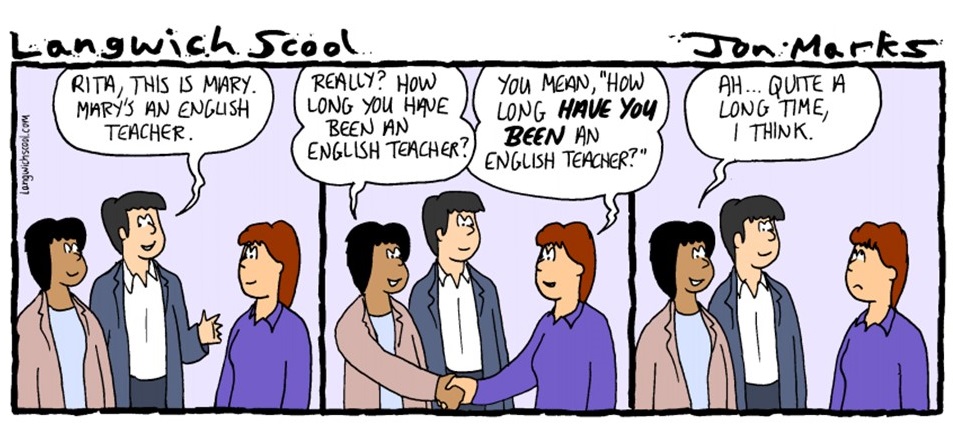
Monitoring is an acquired skill which hopefully becomes a good habit. Less experienced teachers may feel that they need to monitor closely and maintain control of activities, while other teachers feel that they should be involved at all times, and that monitoring is the solution. In either case, there is a danger of over-monitoring, interference, and a tense rather than relaxed, student-centred learning environment during less guided practice activities. Close monitoring needs to be carried out sensitively, and an element of personal and cultural awareness is required. Some learners resent a very close physical presence, others object to the teacher crouching in front of them. Monitoring from in front of the learners is distracting and sometimes intrusive, tending to interrupt the activity and shifting the focus onto the teacher. Students then expect the teacher to provide some input, make a comment, or correct them. Unobtrusive monitoring is most effective, and is often best done from behind the learners.
Some useful tips are:
- Move chairs away from walls.
- Make sure that there is a clear route around the classroom.
- Arrange seating so that all students are visible from wherever the teacher is positioned.
- Monitor pairs or groups randomly.
- Don’t spend too much time with one individual, pair or group, and make sure that all learners are monitored.
- Rather than standing or crouching, sit with pairs or groups. A chair with wheels is an ideal vehicle for moving from group to group.
Monitoring from a distance is done from any position in the classroom which offers the possibility of ‘tuning in’ on different conversations. In larger classes, the teacher may need to move around the room. It is important not to sit near one group for the whole activity, suggesting that the teacher is listening only to them. Often, the best position is behind the learners, out of their field of vision, so that they are focused on the task and each other rather than the teacher.
www.teachingenglish.org.uk


