
Learner Profile Input Session 4: Learning Styles
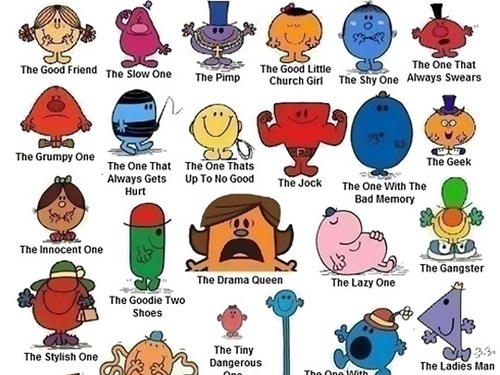
People react differently to the same circumstances, they have different likes and dislikes, they have different default behaviours, they perceive and process experience differently.
What do we mean by ‘learning styles’?
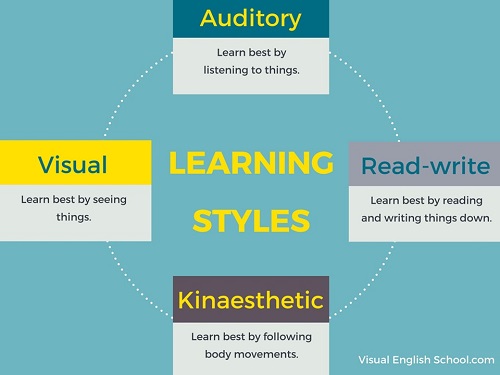
Learning styles are the ways in which a learner naturally prefers to take in, process and remember information and skills. Our learning style may influence how we like to learn and how we learn best.
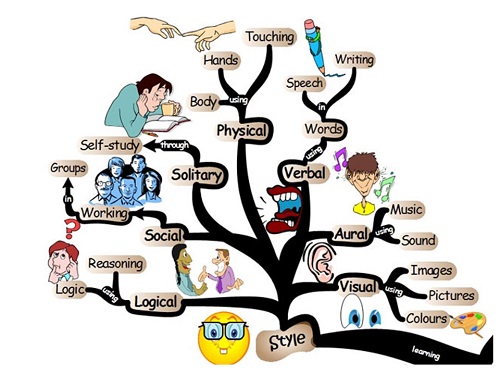
There has been a great deal of research done into learning styles, leading to many theories which have identified many types of learners.
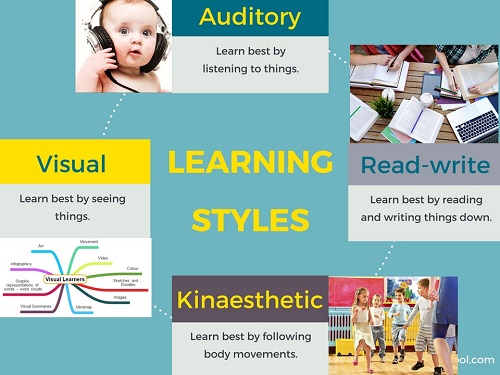
The most commonly mentioned learning styles are represented as VARK = visual, aural or auditory, read/write and kinaesthetic (this was originally just VAK).
However, it’s important to remember that learners very rarely fall into just one category of learning style, that different cultures may use some learning styles more than others and that learners may change and develop their learning style over time.
Learning Styles: Your Personal Learning Style (Task 1)
Consider how you would respond to the following situations.
Click on the arrow on the right-hand side to see more situations.
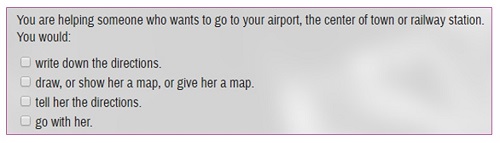
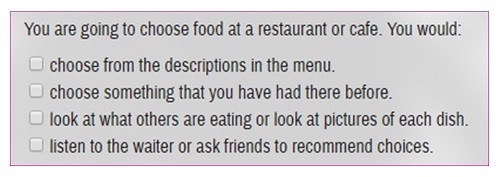
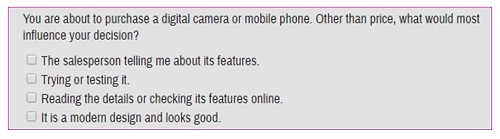
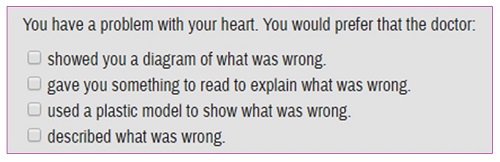
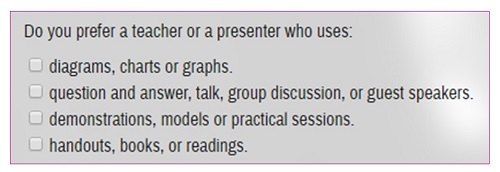
Learning Styles: Your Personal Learning Style (Task 2)
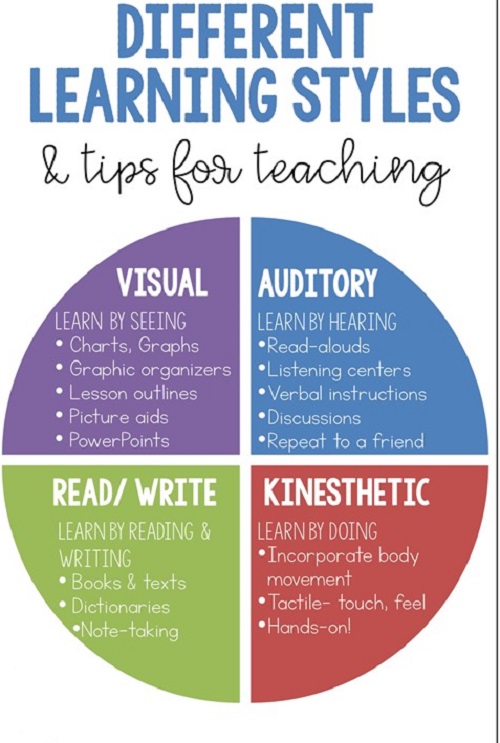
There has been a long-running debate over learning styles and their impact. Many argue that there is a lack of evidence to suggest a direct link between learning styles and improved outcome.
However, that is not to say that we shouldn’t include a variety of different styles or activities in our teaching. Firstly, many learners will (knowingly or not) have a preferred learning style, and most learners will usually enjoy and/or be motivated by a variety of different activities (although not
necessarily all of them in the same lesson!).
It’s also important for teachers to recognise that their own learning style preferences can influence the way they plan and teach lessons. Teachers need to be self-aware, empathetic towards learners and prepared to accommodate the individuality and diversity of their learners in the classroom.
Complete this learning styles questionnaire and analyse the results.
Learning Styles: Task 3 (Learning Styles of Spanish Learners)
Read this extract from the book ‘Teaching English in Spain‘ (pages 107-108)


