
LAS Input Session 10: Phonology – Research, Presentations & Practice
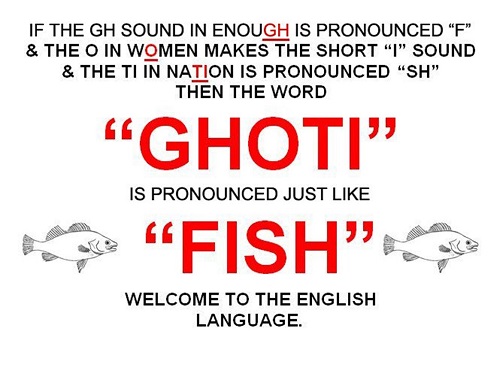

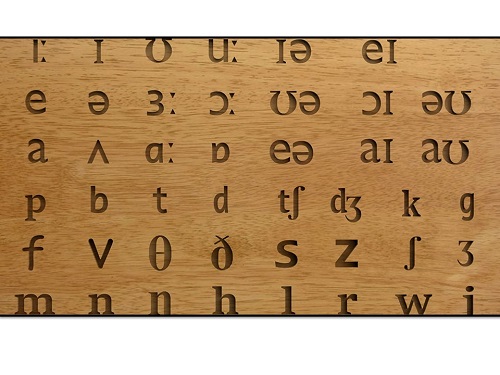
Phonology: Research
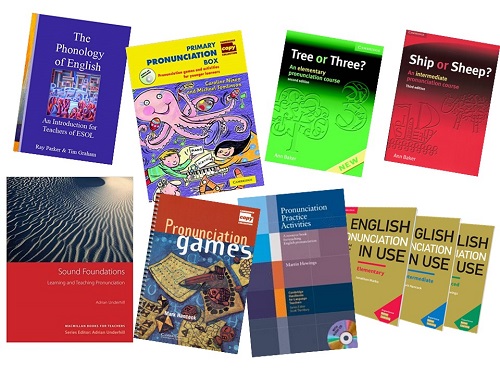
Phonology: Presentation
Phonology: Presentation (Activity 1)
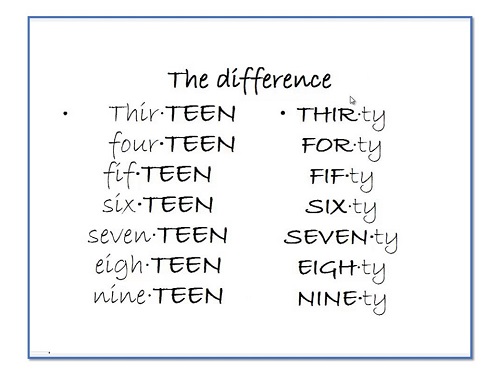
Word Stress for Numbers: Elementary Level (-teen and -ty number practice)

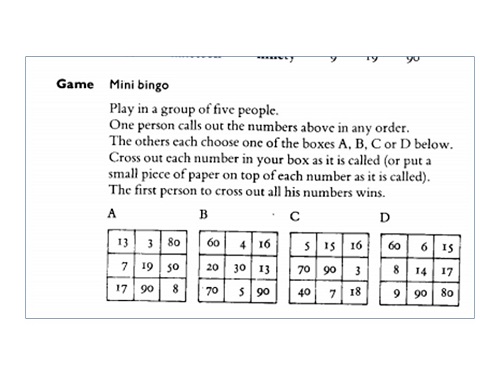
“Ship or Sheep?” (Ann Baker)
Phonology: Presentation (Activity 2)
Word Stress for Numbers: Intermediate Level (-teen and -ty number practice)
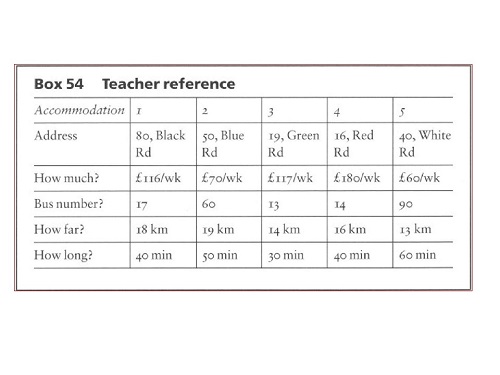
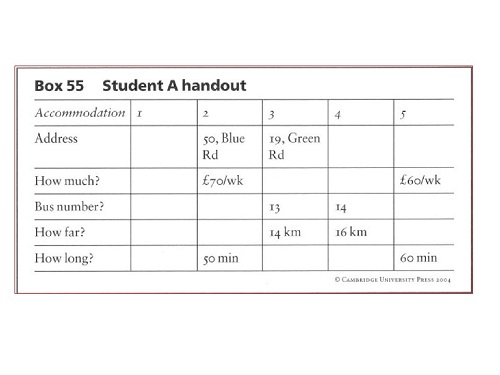
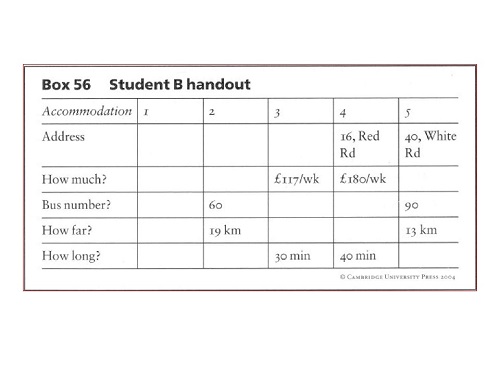
“Pronunication Practice Actvities” (Martin Hewings)
Phonology: Presentation (Activity 3)
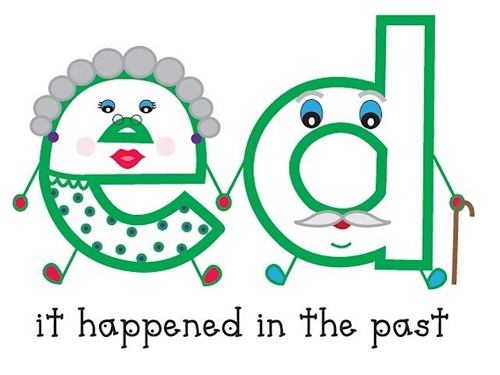
“Headway Elementary Pronunciation” (Sarah Cunningham & Peter Moor)
Phonology: Presentation (Activity 4)
“Headway Elementary Pronunciation” (Sarah Cunningham & Peter Moor)
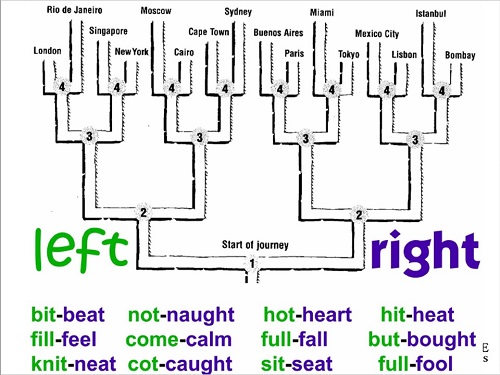
Minimal Pairs (words with one sound different):
Phonology: Presentation (Activity 5)
Sentence Stress
“Pronunciation Games for Spain” (Mark Hancock)
Phonology: Presentation (Activity 6)
Lip-Reading
Try saying the following words to see how they feel as you say them.
Which parts of your mouth do you use for each one?
Now try saying them without making any sound! Do you notice a difference?
Now try saying them without making any sound! Do you notice a difference?
Now do this lip-reading activity. LINKKKKKKKKK
Intonation: Presentation
Classroom Ideas for Teaching and Practising Phonology
Word stress, vowel sounds, number of syllables…
Words with only one difference in pronunciation.
Matching/categorising rhyming words, words which rhyme but don’t look the same (bird, word, heard) …
Identify a word that is different in pronunciation to others.
Individual words/phrases/sentences, dictogloss, students dictate to each other, running dictation…
Sentences/short texts/poems/news stories/speeches…
Tongue twisters, limericks…
Students can prepare their own dialogues, they can be used to focus on word/sentence stress or intonation…
“Trinity CertTESOL Companion” (Jason Anderson)
/fəʊˈnɒləʤi/
ɪˈmæʤɪn ðə ˈfɒləʊɪŋ ˌsɪtjʊˈeɪʃənz …
Your A2 (elementary) students’ pronunciation of “friend” is really quite annoying.
A few of your B1 (intermediate) students say “work” so that it sounds identical to “walk”.
Some of your B2 (upper-intermediate) students speak quite fluently but have a very flat intonation, which often makes them sound boring and/or bored.
Your C1 (advanced) students have complained that they have difficulty understanding a specific accent in English.


