
LAS Input Session 9: Lexis – Research, Presentations & Practice
What’s Your Favourite Word?
it can be
… a word you use a lot,
… a word you like the sound of
… a word that means something special to you

Lexis: Research (Word Knowledge)
Before we can talk about teaching lexis, we need to think about learning lexis.
We often talk about
knowing words.
We want our students to
know lots of words…
But, what does it mean to “know” a word?
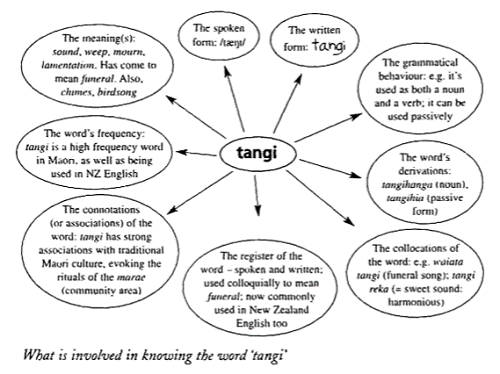
First and foremost, knowing a word involves knowing the form and the meaning …
Scott Thornbury, autor of ‘How to Teach Vocabulary’, chose the Maori Word tangi to analyse:
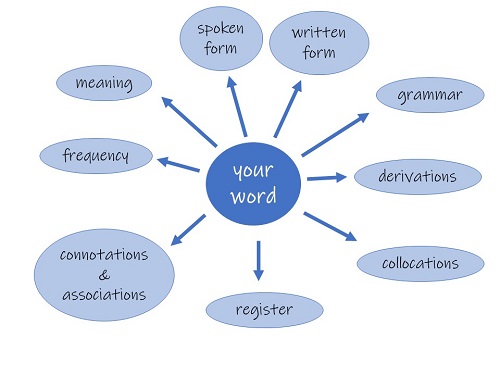
How well do you know your favourite word?
Lexis: Research (Learning Lexis)
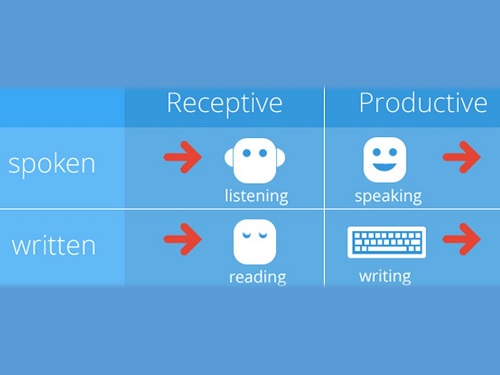
We can divide lexis into two categories:
Receptive (Passive) Vocabulary
Receptive/passive lexis includes language items which the learner can only recognised and comprehend in the context of reading and listening material
Productive (Active) Vocabulary
Productive/active lexis includes language items which the learner can recall and use appropriately in speech and writing.
This also happens in our L1 of course.
Receptive vocabulary far excedes productive vocabulary.
The transition from receptive to productive is gradual.
It needs lots of repetition (over a period of time, not just in one lesson) and the learner needs to actually use it.
The more the learners are involved with the language item, through analysis, “retrieval”, and making a (personal/emotional) connection with the language ítem, the sooner it move from passive to active.
.
Productive (Active) Vocabulary: Task 1
Which of the following collocations with do would be useful to teach for productive use to:
A2 students?
B2 students?
- do the cooking
- do the housework
- do business
- do your duty
- do your hair
- do somebody an injustice
- do right/wrong
- do homework
- do exercise
- do somebody a favour
- do somebody harm/good
- do well/badly
If we want students to actually be able to produce the language item, then it’s important to identify what’s most useful and relevant by level and/or the group/student needs.
Lexis: Presentation (Making Sense)
Teaching Lexis
When presenting or checking language items,
it’s common to use the following questions:
- What’s the opposite of…?
- What’s the masculine/feminine form of…?
- What’s missing from this group?
- What’s another word for/way of saying…?
- Sentence completion: e.g. Tom is Henry’s uncle so John is…?
- What’s the difference between…and…?
Teaching Lexis: Task 2
Which of these questions or techniques would be most effective and appropriate to elicit the items below?
- waitress
- to pass an exam
- a knife
- to own
- to sell
- in front of
- a wide road
- to rent
- army
- awful
– Working with Words (Ruth Gairns & Stuart Redman)
Lexis: Presentation (Discovering Meaning)
Visual Techniques
- flashcards
- photos
- videos
- drawings
- charts
- realia
- mime
- gesture
Verbal Techniques
- provide situation/context
- use synonyms & definitions
- give contrasts and opposites
- use scales
- give examples
Translation
Teaching Lexis: Task 3
Which of the approaches or techniques would you choose to convey the meaning of these items…?
- tools
- a turkey
- to get rid of something
- boring
- plump
- appalling
- to call something off
- mortgage

Lexis Practice (Controlled): Task 4
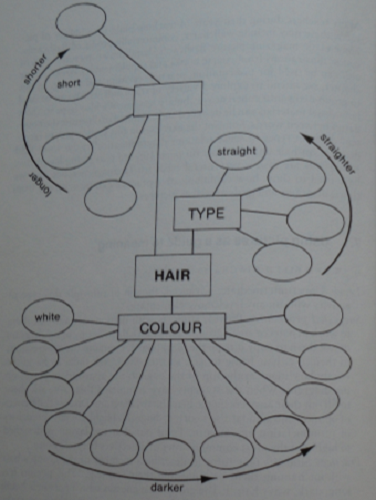
Copy the diagram and fill in the circles and box with the following vocabulary:
- frizzy
- black auburn
- dark brown
- long
- blonde
- shoulder-length
- curly
- mousy
- red
- light brown
- wavy
- cropped
- ginger
- jet-black
- mid-brown
Lexis Practice (Freer Practice)
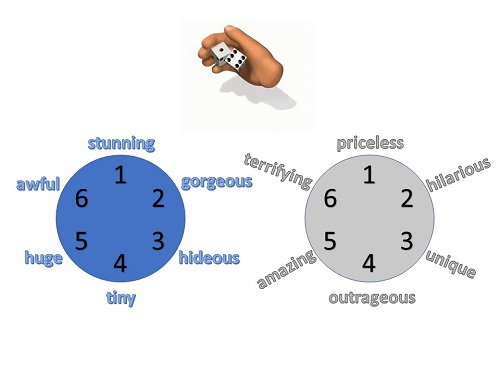
Effective Practice
Effective Practice …
… is meaningful (and/or personalised)
… is communicative (requiring interaction)
… involves a degree of repetition
… is language-rich (using/producing a lot of language)
… allows creativity and risk-taking (with support)
… can push learners to the limits of their competence
… provides opportunities for feedback
-Scott Thornbury (The New A-Z of ELT)
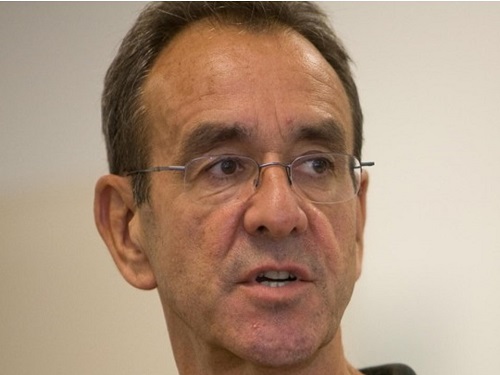
Scott Thornbury


